
Category: Ethics

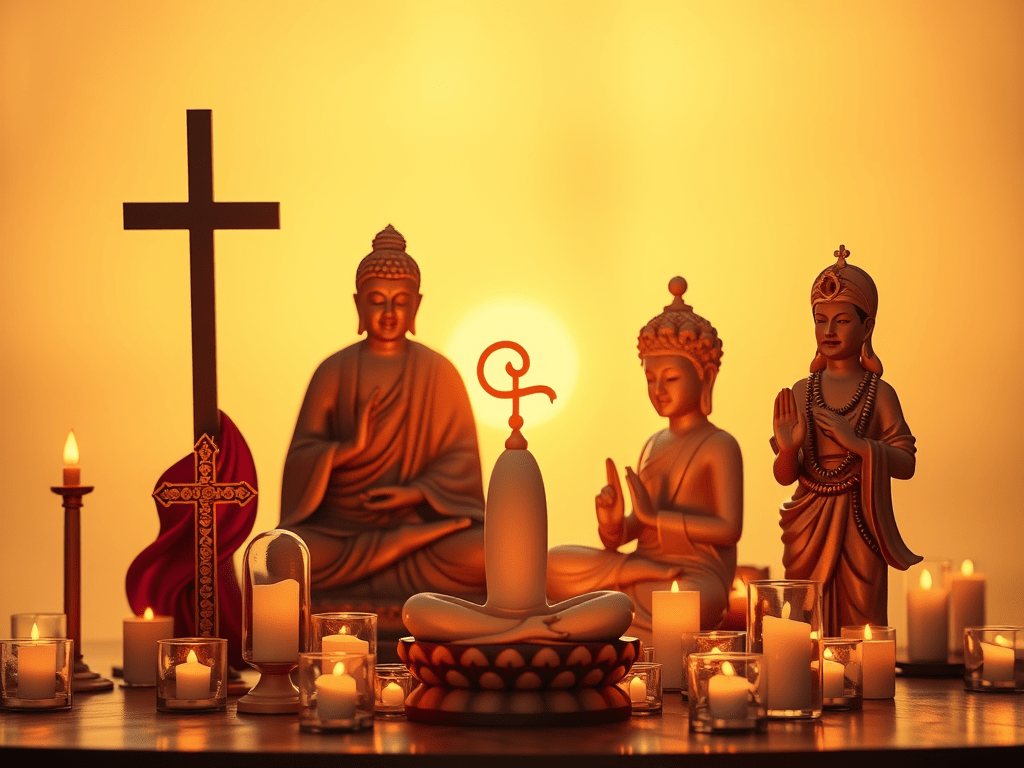
  • Universal Ways to Live as a Good Citizen & A Guide to Kindness Across Religions

    Universal Ways to Live as a Good Citizen & A Guide to Kindness Across Religions

    1. Live with Love and Compassion

    • Christianity: Jesus taught, “Love your neighbor as yourself.” (Mark 12:31)
    • Buddhism: The concept of Metta (loving-kindness) encourages compassion toward all beings.
    • Islam: The Prophet Muhammad (PBUH) said, “The best among you are those who are best to others.” (Hadith, Tirmidhi)
    • Hinduism: Ahimsa (non-violence) teaches kindness and respect for all living beings (Bhagavad Gita 16:2).

    Practice kindness, help those in need, and show empathy to all.

    2. Be Honest, Just, and Fair

    • Christianity: “Do to others as you would have them do to you.” (Luke 6:31)
    • Buddhism: The Eightfold Path (Right Speech, Right Action, Right Livelihood) promotes honesty and ethical living.
    • Islam: The Qur’an commands, “Stand out firmly for justice.” (Qur’an 4:135)
    • Hinduism: Dharma (righteous duty) teaches integrity and truthfulness in all actions.

    Always act with honesty, fairness, and integrity in personal and professional life.

    3. Serve Others and Give Back to Society

    • Christianity: “Whoever wants to be great must be a servant to all.” (Mark 10:43)
    • Buddhism: Karma Yoga (selfless service) emphasizes doing good without expecting anything in return.
    • Islam: Zakat (charity) is a pillar of Islam, requiring Muslims to support the less fortunate.
    • Hinduism: The Bhagavad Gita (3:19) teaches that selfless action leads to spiritual growth.

    Engage in charity, volunteer work, and help those in need.

    4. Seek Wisdom, Self-Discipline, and Personal Growth

    • Christianity: “The fear of the Lord is the beginning of wisdom.” (Proverbs 9:10)
    • Buddhism: Mindfulness and meditation help develop self-awareness and inner peace.
    • Islam: The Qur’an encourages seeking knowledge: “Seek knowledge from the cradle to the grave.”
    • Hinduism: Jnana Yoga (path of wisdom) teaches that knowledge leads to enlightenment.

    Keep learning, stay disciplined, and grow spiritually, mentally, and emotionally.

    5. Live with Gratitude, Humility, and Peace

    • Christianity: “Give thanks in all circumstances.” (1 Thessalonians 5:18)
    • Buddhism: Impermanence (Anicca) teaches acceptance of life’s changes with humility.
    • Islam: “If you are grateful, I will give you more.” (Qur’an 14:7)
    • Hinduism: Moksha (liberation) is achieved by surrendering ego and material attachment.

    Be grateful for what you have, stay humble, and live peacefully with others.
  • Analyzing Trump’s Controversial Pardons: A Justice Debate

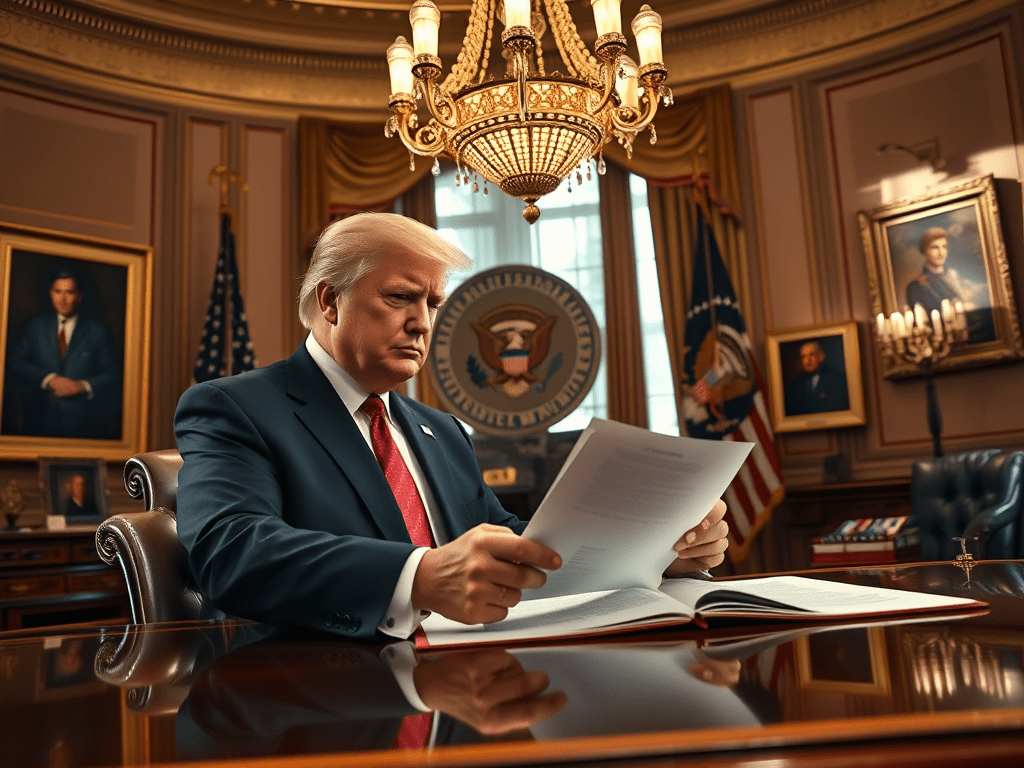
    Analyzing Trump’s Controversial Pardons: A Justice Debate

    1. January 6 Capitol Riot Participants:

    On his first day back in office, President Trump issued pardons and commuted sentences for approximately 1,500 individuals connected to the January 6, 2021, Capitol attack. This clemency extended to prominent figures such as:​

    • Stewart Rhodes: Founder of the Oath Keepers.​
    • Enrique Tarrio: Leader of the Proud Boys.​

    Experts in counter-terrorism have expressed concerns that these actions might embolden future political violence. Legal scholars and Justice Department officials have criticized the pardons as unprecedented and potentially undermining the integrity of federal law enforcement and the justice system. ​

    2. Ross Ulbricht:

    On January 21, 2025, President Trump granted a full and unconditional pardon to Ross Ulbricht, the founder of the darknet marketplace Silk Road. Ulbricht had been serving a life sentence without parole since 2015 for charges including drug trafficking, money laundering, and computer hacking. This pardon fulfilled a campaign promise Trump made during his speech at the Libertarian National Convention. ​

    3. Anti-Abortion Activists:

    On January 23, 2025, President Trump pardoned 23 anti-abortion protesters convicted of violating the Freedom of Access to Clinic Entrances (FACE) Act. Among those pardoned was Lauren Handy and nine co-defendants involved in the October 2020 blockade of a Washington, D.C., abortion clinic. Critics argue that these pardons signal the administration’s opposition to abortion access and may encourage further disruptive protests. ​

    4. Brian Kelsey:

    Former Tennessee state Senator Brian Kelsey, who had been serving a 21-month prison sentence for campaign finance violations related to his 2016 congressional bid, received a full and unconditional pardon from President Trump. Kelsey had pleaded guilty in 2022 to illegally funneling campaign funds but had unsuccessfully attempted to retract his plea. Critics contend that this pardon undermines accountability and the rule of law. ​

    5. Attempts to Void Biden’s Pardons:

    President Trump announced intentions to void certain pardons granted by former President Joe Biden, alleging they were executed using an autopen—a device that replicates signatures. Legal experts have clarified that autopen-signed pardons are valid under U.S. law, rendering Trump’s assertions legally unfounded.

    These actions have sparked significant debate regarding the use of presidential pardon power and its implications for justice, accountability, and societal norms.

    Sources:

    1. Wikipedia – First 100 Days of the Second Donald Trump Presidency
    2. AP News – Trump Pardons Anti-Abortion Activists
    3. AP News – Trump Pardons Former Tennessee Lawmaker Brian Kelsey
    4. Al Jazeera – Trump’s Attempt to Reverse Biden’s Pardons
    5. The Times UK – Trump Pardons January 6 Convicts
  • Donald Trump has been a polarizing figure in American politics, but why ?

    Donald Trump has been a polarizing figure in American politics, but why ?

    Donald Trump has been a polarizing figure in American politics, eliciting strong reactions from both supporters and detractors. Several actions and statements throughout his career have contributed to the animosity some individuals feel toward him:

    Legal and Ethical Controversies:

    • Legal Challenges and Convictions: Trump and his businesses have been involved in numerous legal cases over the years. Notably, in 2024, he was convicted on multiple counts of falsifying business records related to hush money payments, although his sentencing was postponed following his re-election.
    • Sexual Misconduct Allegations: Over 25 women have accused Trump of sexual misconduct, ranging from harassment to assault. In 2023, a jury found him liable for sexual abuse and defamation against writer E. Jean Carroll, ordering him to pay $5 million in damages.

    Racially Charged Actions and Statements:

    • Central Park Five Case: In 1989, Trump took out full-page newspaper ads calling for the death penalty for five Black and Latino teenagers accused of raping a white woman. Even after their exoneration in 2002, he continued to assert their guilt, leading to a defamation lawsuit against him in 2024.
    • “Birther” Conspiracy Theory: Trump was a leading proponent of the false claim that President Barack Obama was not born in the United States, a stance widely criticized as racially motivated. He acknowledged Obama’s U.S. birth in 2016 but reportedly continued to express doubts privately.

    Undermining Democratic Institutions:

    • Election Integrity Attacks: Throughout his political career, Trump has frequently questioned the legitimacy of electoral processes. Notably, he made baseless claims of widespread voter fraud in both the 2020 and 2024 elections, actions that many view as undermining democratic institutions.
    • January 6 Capitol Attack: Following his defeat in the 2020 election, Trump’s rhetoric was seen as inciting the January 6, 2021, attack on the U.S. Capitol. He was impeached for incitement of insurrection but was acquitted by the Senate. His subsequent pardoning of individuals involved in the attack during his second term has further fueled criticism.

    Foreign Policy and International Relations:

    • Disruption of International Alliances: Trump’s unpredictable and aggressive foreign policies have strained relationships with longstanding allies. His decisions, such as withdrawing from international organizations and imposing tariffs, have been criticized for causing global instability.

    These actions, among others, have led to significant criticism and opposition, contributing to the strong negative sentiments some hold toward Donald Trump.

    Credits:
    apnews.com
    en.wikipedia.org
    pewresearch.org